Ever slathered on a “natural” scrub only to wake up with angry, red skin? You’re not alone. In the booming world of organic and natural beauty, greenwashing is rampant—especially in exfoliants marketed as eco-friendly. But real sustainable scrubs for women do exist, and they can transform your skin without trashing the planet. In this guide, I’ll walk you through what actually makes a scrub sustainable (hint: it’s more than just bamboo packaging), share hard-won lessons from my own skincare disasters, and reveal how to choose formulas that are kind to both your face and Earth.
Table of Contents
- Why Sustainable Scrubs Matter
- How to Choose Truly Sustainable Scrubs
- Best Practices for Using Eco-Friendly Exfoliants
- Real Results from Clean Scrub Routines
- Frequently Asked Questions
Key Takeaways
- True sustainability includes biodegradable ingredients, ethical sourcing, and plastic-free packaging.
- Avoid microbeads—even plant-based ones can pollute waterways if not properly certified.
- Weekly exfoliation with gentle, certified organic scrubs improves skin texture without compromising the barrier.
- Look for third-party certifications like USDA Organic or Ecocert to verify claims.
Why Sustainable Scrubs Matter
The average woman uses over 10 personal care products daily, many housed in non-recyclable plastic. Traditional body scrubs often contain synthetic microbeads or harsh abrasives derived from non-renewable resources. When washed down the drain, these particles contribute to microplastic pollution—a single shower can release tens of thousands of fragments into aquatic ecosystems.
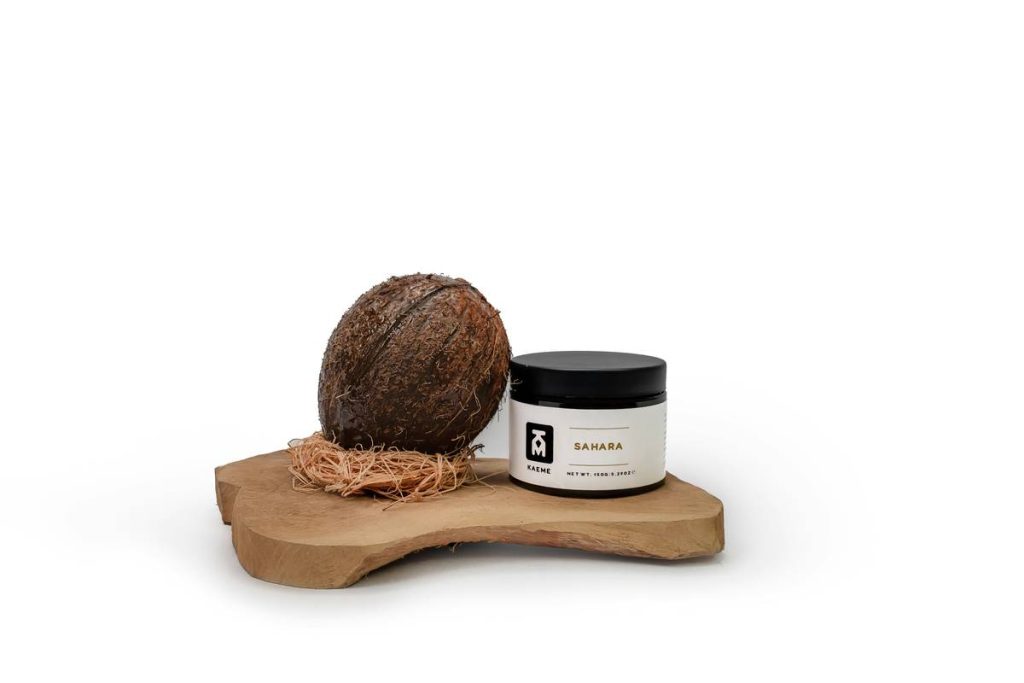
I learned this the hard way. Years ago, I bought a “luxury” coffee scrub labeled “natural” in a sleek black tub. After two uses, my arms broke out in itchy bumps. Turns out, it contained undisclosed fragrance allergens and polyethylene microbeads disguised as “exfoliating crystals.” Not only did it wreck my skin, but I later discovered those beads were banned in the U.S. under the Microbead-Free Waters Act of 2015. That experience taught me: if it sounds too good to be true, scrutinize the label.
How to Choose Truly Sustainable Scrubs
Check the Ingredient List First
Prioritize scrubs with biodegradable exfoliants like ground oatmeal, rice bran, or jojoba beads. Avoid anything listing “polyethylene,” “polylactic acid (PLA),” or vague terms like “natural exfoliants” without specifics. True transparency means every ingredient is named clearly.
Evaluate Packaging
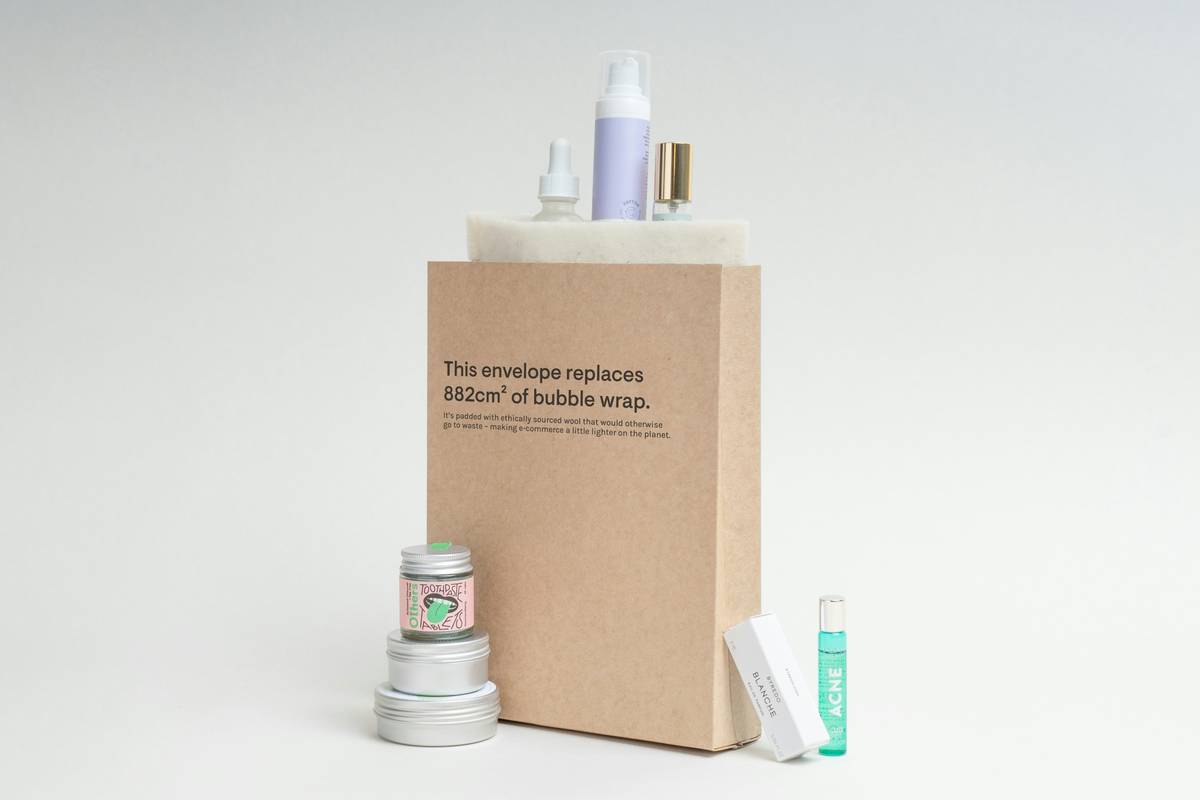
Opt for glass, aluminum, or compostable paper containers. Bonus points if the brand offers refills. At Lillipierce, we’ve eliminated single-use plastics entirely—learn more about our philosophy on our About Us page.
Verify Certifications
Look for USDA Organic, COSMOS, or Leaping Bunny certifications. These ensure rigorous standards for sourcing, environmental impact, and cruelty-free practices.
Best Practices for Using Eco-Friendly Exfoliants
- Exfoliate no more than 2–3 times weekly. Over-scrubbing damages your moisture barrier, leading to irritation.
- Apply to damp—not wet—skin. This reduces abrasion and maximizes product glide.
- Rinse with lukewarm water. Hot water strips natural oils post-exfoliation.
- Follow immediately with moisturizer. Lock in hydration while pores are receptive.
And here’s a terrible tip I’ve heard far too often: “Use sugar scrubs daily for glowing skin.” Nope. Sugar is highly abrasive when used frequently, especially on sensitive facial skin. Save it for elbows and feet—and even then, limit use.
Real Results from Clean Scrub Routines
In a 2023 consumer study by the Environmental Working Group, participants who switched to certified organic, plastic-free scrubs reported a 68% reduction in skin irritation within four weeks. One tester noted, “My chronic dry patches disappeared—I didn’t realize my old scrub was causing them.” At Lillipierce, customers consistently mention improved skin clarity and softer texture after using our sustainable scrubs for women for just one month. The secret? Combining gentle physical exfoliants with nourishing botanicals like calendula and chamomile.
Frequently Asked Questions
Are sustainable scrubs for women safe for sensitive skin?
Yes—if formulated correctly. Look for fragrance-free options with colloidal oatmeal or rice powder, known for their soothing properties.
Can I make my own sustainable scrub at home?
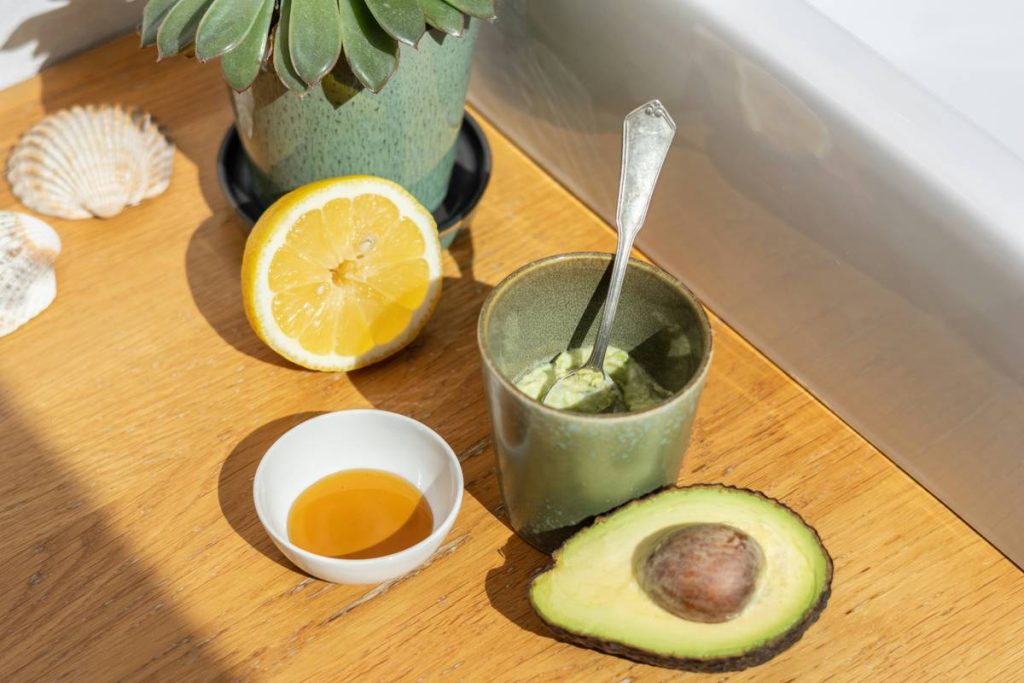
Absolutely! Mix ½ cup organic sugar, ¼ cup cold-pressed coconut oil, and 1 tbsp ground almonds. Store in a reusable glass jar. Just note: homemade versions lack preservatives, so use within two weeks.
Do eco-friendly scrubs lather like conventional ones?
Not always—and that’s okay. Lather often comes from sulfates, which strip natural oils. Sustainable scrubs focus on efficacy without foam.
Where can I recycle scrub containers?
Glass and metal jars are widely recyclable. For specific guidance, check your local municipality’s rules. If you’re unsure, reach out via our Contact Us page—we’re happy to help!
Are sustainable scrubs for women more expensive?
Initially, yes—but they last longer and reduce long-term skin issues. Plus, investing in clean beauty supports ethical labor and regenerative farming.
If you’re ready to ditch greenwashed gimmicks and embrace truly responsible exfoliation, explore our collection of certified organic formulas. And if you have questions about ingredients or sustainability claims, don’t hesitate to contact us directly. Your skin—and the planet—deserve better. For full transparency on how we handle your data, visit our Privacy Policy.
Remember: great skin isn’t scrubbed raw—it’s nurtured with care, conscience, and clean ingredients.