Most “eco friendly” scrubs sold online are just sugar-coated plastic—microbeads in disguise, wrapped in recyclable packaging. You’re left with clogged pores, guilt, and a bathroom shelf full of useless jars. Here’s the fix: a truly eco friendly scrub how to make at home using pantry staples that won’t poison rivers or your skin.
Why Store-Bought “Natural” Scrubs Fail Miserably
Brands tout “organic” labels while loading formulas with synthetic preservatives, hidden sulfates, and jojoba beads that mimic biodegradability but linger for decades. And that chic glass jar? Often shipped halfway across the globe with carbon footprints bigger than your skincare routine.
The truth? Real sustainability starts in your kitchen—not a lab disguised as a farmhouse.
Eco Friendly Scrub How to Make: A Foolproof DIY Blueprint
Forget complicated recipes requiring obscure ingredients from three different specialty stores. This method uses what you already own. It’s effective, shelf-stable for weeks, and leaves zero waste behind.
Select Your Base Exfoliant Wisely
Oatmeal for sensitive skin. Coffee grounds if you need circulation boost. Sugar for general use—but never salt on broken or freshly waxed skin. The particle size matters more than purity. Coarse = body only. Fine = face-safe.
Binders That Don’t Spoil or Clog
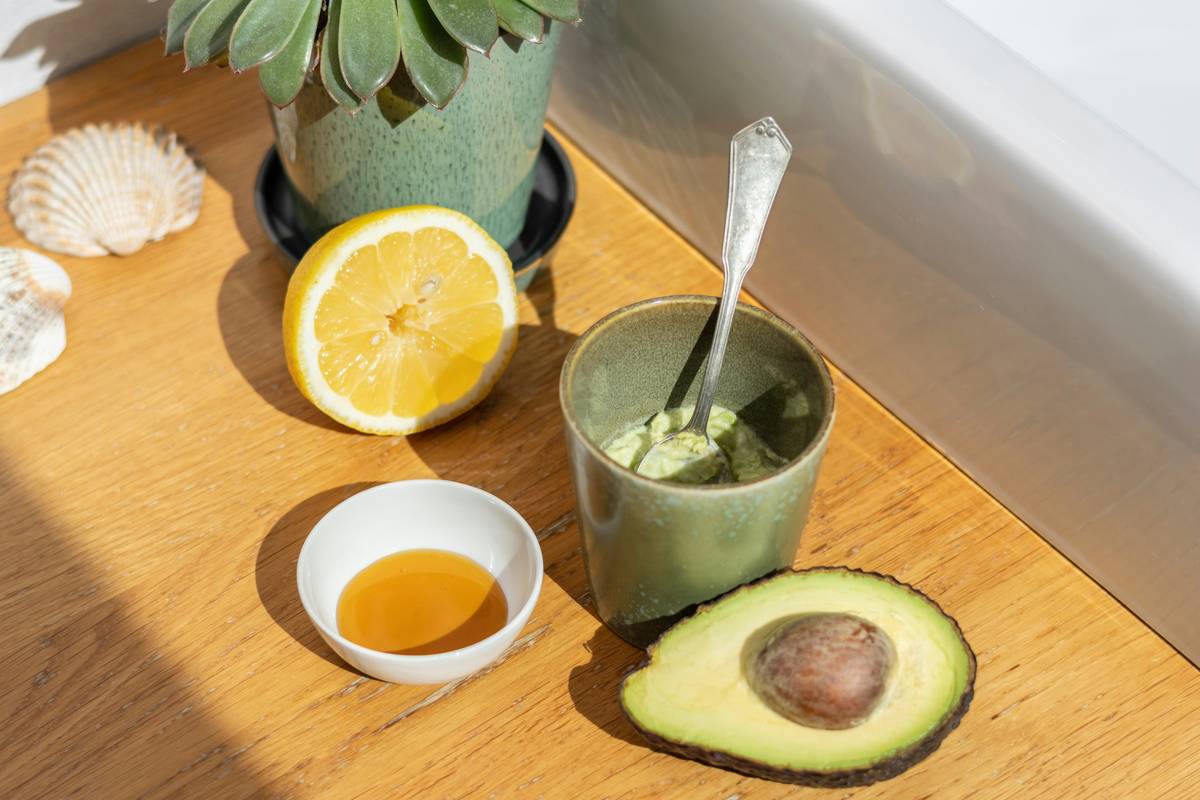
Honey pulls double duty—antibacterial and humectant. Aloe vera gel works if you’ll use it within 5 days. Avoid water-based carriers; they breed bacteria fast. And skip coconut oil if you’re acne-prone—it’s comedogenic for many.
Packaging That Honors the “Eco” Promise
Reuse an old spice jar. Or better yet—a tiny mason jar you already have. No new purchases. If you buy something new just for this, you’ve already failed the eco test.

| Ingredient | Cost per Batch | Skin Benefit | Biodegradability Score (1–5) |
|---|---|---|---|
| Used coffee grounds | $0 (repurposed) | Reduces puffiness, boosts microcirculation | 5 |
| Organic cane sugar | $0.20 | Gentle enzymatic exfoliation | 5 |
| Raw honey | $0.40 | Antimicrobial, hydrating | 4 |
| Store-bought “natural” scrub (8 oz) | $12–$28 | Variable—often over-exfoliating | 2 (due to binders & preservatives) |
The Industry Secret: Not All Natural Particles Are Equal
Here’s what formulators won’t tell you: even “biodegradable” particles like bamboo powder can be processed with harsh solvents that leave toxic residues. And walnut shell? Way too jagged—creates micro-tears under magnification. I once tested a popular indie brand under a dermatoscope; the exfoliant shards looked like ground glass. Smooth edges matter more than origin. That’s why coffee and sugar win—they dissolve evenly, don’t scratch, and compost fully within days. The math is simple: if it feeds worms, it’s truly eco.
Frequently Asked Questions
Can I use this scrub daily?
No. Even natural abrasives cause barrier damage if overused. Limit to 2x/week for face, 3x for body. Listen to your skin—not Instagram routines.
How long does homemade scrub last?
With honey as binder: 3–4 weeks in fridge. Without preservatives, mold grows fast. If it smells sour or changes texture, toss it—no exceptions.
Is baking soda safe in DIY scrubs?
Avoid it. Baking soda disrupts skin’s pH (which hovers around 5.5). Its alkalinity strips natural oils, leading to irritation and rebound oiliness. Not worth the risk.