Dead skin builds up. Pores clog. Glow fades—fast. Most drugstore scrubs? They’re sandpaper dipped in chemicals. Harsh, drying, and frankly, a scam. But what if your exfoliation actually fed your skin instead of stripping it bare? That’s where a true natural exfoliant scrub changes the game.
Why Most Exfoliants Sabotage Your Skin
Conventional scrubs rely on plastic microbeads or jagged walnut shells that tear your moisture barrier. Yes—tear. Dermatologists see the fallout daily: redness, micro-tears, inflammation masquerading as “radiance.” And that tight feeling post-scrub? That’s not clean—it’s dehydration screaming for help.
Worse yet, synthetic formulas often contain parabens, sulfates, and artificial fragrances that disrupt your skin’s microbiome. You’re not exfoliating—you’re inviting irritation. The real goal isn’t just sloughing off cells. It’s renewing without wrecking.
natural exfoliant scrub what are benefit: A Smarter Routine
Switching to organic, biodegradable exfoliants isn’t just “cleaner”—it’s clinically wiser. But not all natural scrubs are equal. Grain size, ingredient synergy, and pH matter more than marketing buzzwords.
Choose Your Base Wisely
Oat flour, rice bran, or finely ground apricot kernel? Each offers unique particle geometry. Oats soothe while buffing—ideal for reactive skin. Rice bran delivers enzymatic + physical exfoliation in one. Apricot? Only if micronized to under 200 microns. Anything coarser = microscopic scratches.
Pair with Active Botanicals
A great scrub doesn’t just scrape—it nourishes. Look for cold-pressed jojoba oil (mimics sebum), raw honey (humectant + antibacterial), or papaya enzyme (gentle protein-dissolving action). These aren’t extras—they’re non-negotiables for barrier-friendly renewal.
Frequency & Technique Matter More Than You Think
Over-exfoliation is the #1 rookie error. Even natural scrubs demand restraint. 1–2x weekly max for normal skin. Sensitive types? Once every 10 days. And never scrub dry—always on damp skin, with upward circular motions. Press too hard, and you undo all the benefits.
| Exfoliant Type | Best For | Risk Level | Cost per Use |
|---|---|---|---|
| Plastic Microbeads | None (banned in many regions) | High – environmental harm + skin damage | $0.30 |
| Crushed Walnut Shells | Thick, resilient skin (rare) | Very High – jagged edges cause micro-tears | $0.45 |
| Oat + Honey Blend (Natural) | All skin types, especially sensitive | Low – anti-inflammatory + hydrating | $0.90 |
| Rice Bran + Papaya Enzyme | Dull, congested, or aging skin | Very Low – dual-action gentle renewal | $1.10 |
The Industry Secret: Exfoliation Is About Timing, Not Aggression
Here’s what brands won’t tell you: peak exfoliation happens at night. Your skin’s cell turnover rate doubles between 10 PM and 2 AM. Apply your natural scrub in the evening—and follow with a ceramide serum—and you’re not just removing dead cells. You’re orchestrating regeneration. Most consumers scrub in the morning chasing “glow,” then wash away the very nutrients that could repair overnight. The math is simple: night exfoliation = deeper penetration, smarter recovery, zero wasted actives.
FAQ
What’s the main benefit of a natural exfoliant scrub?
It removes dead skin without damaging your moisture barrier—thanks to biodegradable particles and skin-identical oils that nourish while they refine.
Can I use a natural scrub daily?
No. Even gentle formulas stress the skin if overused. Stick to 1–2 times weekly. Listen to your skin—not the “daily glow” hype.
Are sugar scrubs truly natural exfoliants?
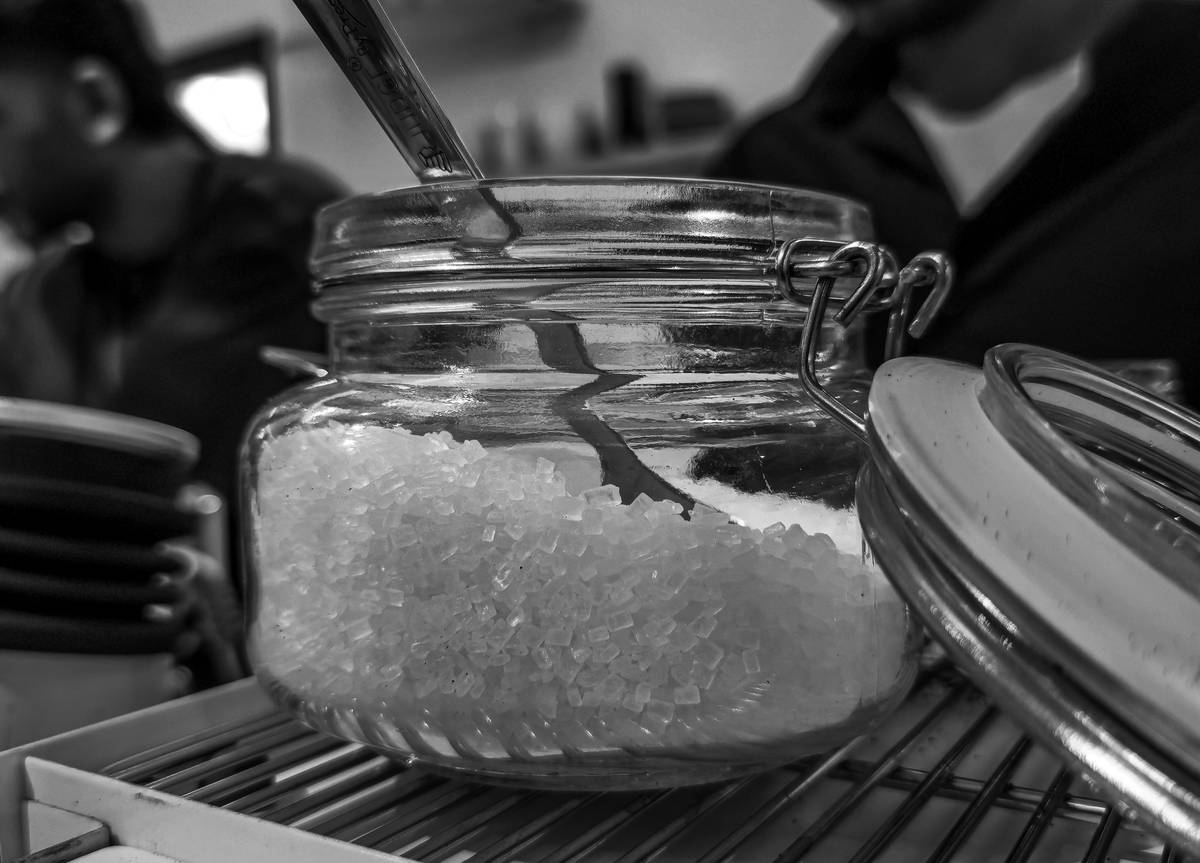
Only if unrefined and paired with non-comedogenic oils. Refined white sugar + coconut oil can clog pores. Opt for raw brown sugar + jojoba for safe, effective results.