Your skin feels dull. Flaky in winter, greasy in summer. You’ve tried every jar labeled “natural” at the boutique beauty counter—only to find your elbows still rough and your glow… ghosted. Most commercial scrubs? They’re 80% marketing fluff, packed with synthetic fillers that sit on your shelf longer than they belong on your skin. But real radiance doesn’t come from a lab—it comes from your kitchen. With the right diy body scrub organic recipe, you can exfoliate deeply, nourish thoroughly, and skip the greenwashing altogether.
Why Your Current Scrub Is Sabotaging Your Skin
That “luxury” sugar scrub you paid $28 for? Chances are, it’s loaded with mineral oil, fragrance isolates, or microplastic beads disguised as “exfoliants.” These don’t polish—they irritate. And fine sugar crystals? They dissolve too fast in warm water, offering zero mechanical action where you need it most: knees, elbows, heels.
Worse yet—many brands claim “organic” while using ethically murky sourcing or stabilizers like phenoxyethanol. The result? Temporary slip, zero long-term smoothness, and potential barrier disruption.
Real exfoliation requires texture that *works*, not just sparkles.
How to Make a DIY Body Scrub Organic That Actually Polishes
Forget Pinterest-perfect jars. This isn’t about aesthetics—it’s efficacy. The best diy body scrub organic balances abrasion, hydration, and stability. Here’s how to build one that lasts weeks and delivers clinical-level results at 5% of the cost.
Select Your Base Exfoliant Wisely
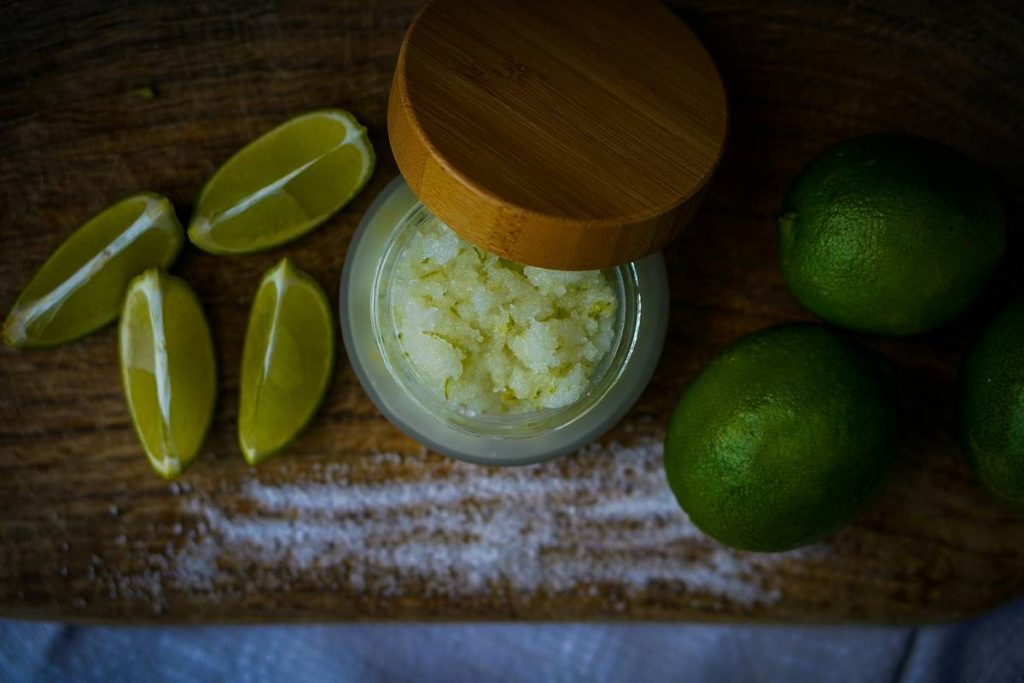
Not all granules are created equal. Fine sea salt pulls moisture—great for oily zones. Coarse brown sugar? Gentle enough for daily use on arms and legs. And coffee grounds? Ideal for cellulite-prone areas due to caffeine’s vasoconstrictive effect—but only if freshly dried (never wet grounds—they mold in 48 hours).
Bind with Purpose, Not Just Oil
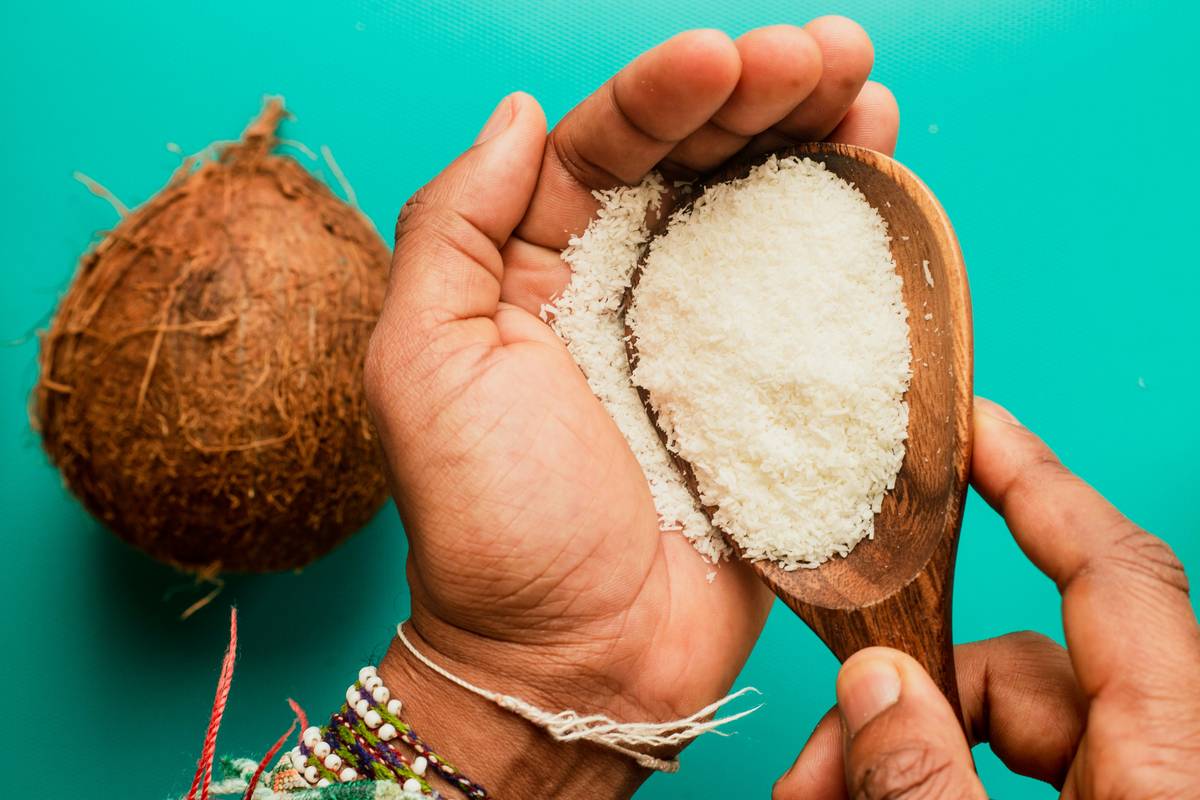
Oils like jojoba or sweet almond aren’t just carriers—they’re active ingredients. Jojoba mimics sebum, making it perfect for sensitive skin. Coconut oil solidifies below 76°F, which helps your scrub hold structure in cooler climates but turns into a greasy puddle in summer. Pro tip: blend oils. Try 2 parts grapeseed (lightweight) + 1 part avocado (rich in sterols) for balanced absorption.
Add Functional Boosters—Not Just “Extras”
Turmeric? Yes—for its anti-inflammatory curcuminoids (use sparingly; it stains). Raw honey? Absolutely—it’s humectant and antimicrobial. But skip essential oils unless you patch-test first. Many—like citrus or cinnamon—are phototoxic or sensitizing at concentrations above 0.5%.
| Ingredient Type | Budget Option | Premium Upgrade | Best For |
|---|---|---|---|
| Exfoliant | Brown sugar ($3/lb) | Dead Sea salt ($12/lb) | Dry/rough patches vs. detoxifying oily zones |
| Carrier Oil | Sunflower oil ($5/qt) | Cold-pressed hemp seed oil ($18/8oz) | All skin types vs. inflamed or eczema-prone skin |
| Active Additive | Used coffee grounds (free) | Organic matcha powder ($15/oz) | Cellulite smoothing vs. antioxidant boost |
The Industry Secret: Texture Stability = Performance
Here’s what no brand will tell you: a scrub’s effectiveness isn’t just about what you put in—it’s about what *doesn’t separate*. Most homemade versions turn grainy or weep oil within days because they ignore emulsion science. The fix? Add 1 teaspoon of beeswax pellets melted into your oil phase before mixing with dry ingredients. Beeswax creates a micro-barrier that locks moisture without clogging pores—and extends shelf life to 6+ weeks when stored in amber glass.
Think about it—spas charge $90 for a “custom” body polish that uses this exact trick. You can replicate it for under $6.
Frequently Asked Questions
Can I use a DIY organic scrub on my face?
No. Facial skin is thinner and more reactive. Use scrubs formulated specifically for the face—body-grade granules (even fine sugar) can cause micro-tears.
How often should I use an organic body scrub?
2–3 times per week max. Over-exfoliation strips natural oils and compromises your barrier—especially in cold or dry climates.
Does “organic” mean non-comedogenic?
Not necessarily. Organic coconut oil, for example, ranks highly on comedogenic scales. Always check individual ingredient ratings—“organic” ≠ universally safe for all skin types.