Ever tried a DIY scrub only to end up with red, irritated skin or wasted kitchen ingredients? You’re not alone. Many people leap into making natural body scrubs homemade without knowing which oils clog pores, which sugars are too harsh, or how to store them safely. In this guide, I’ll walk you through everything you need to create gentle, effective scrubs that actually nourish your skin—based on hard-won lessons (yes, I once used sea salt on freshly shaved legs… never again). You’ll learn foolproof recipes, expert-backed best practices, and what to absolutely avoid.
Table of Contents
- Why Natural Body Scrubs Homemade Matter
- Step-by-Step Guide to Making Your Own Scrub
- Top Tips for Safe and Effective Scrubs
- Real Results from Homemade Body Polishing
- FAQs About Natural Body Scrubs Homemade
Key Takeaways
- Not all natural ingredients are skin-safe—some can cause micro-tears or allergic reactions.
- Use fine-grain exfoliants like brown sugar or ground oats instead of coarse salts for sensitive skin.
- Always patch-test new scrubs and store them in airtight containers for no more than two weeks.
- Moisturize immediately after exfoliating to lock in hydration and support your skin barrier.
- Avoid citrus essential oils in daytime scrubs—they increase sun sensitivity (FDA guidance).
Why Natural Body Scrubs Homemade Matter
Commercial body polishes often hide synthetic fragrances, microplastics, or drying alcohols behind “natural” labels—a practice called greenwashing. According to a 2023 Environmental Working Group review, over 60% of mass-market scrubs contain ingredients linked to skin irritation or environmental harm. When you make natural body scrubs homemade, you control every component, reducing exposure to hidden irritants while supporting sustainable beauty.
Step-by-Step Guide to Making Your Own Scrub
Creating your own scrub isn’t just easy—it’s customizable to your skin’s needs. Here’s a reliable method:
Gather Your Base Ingredients
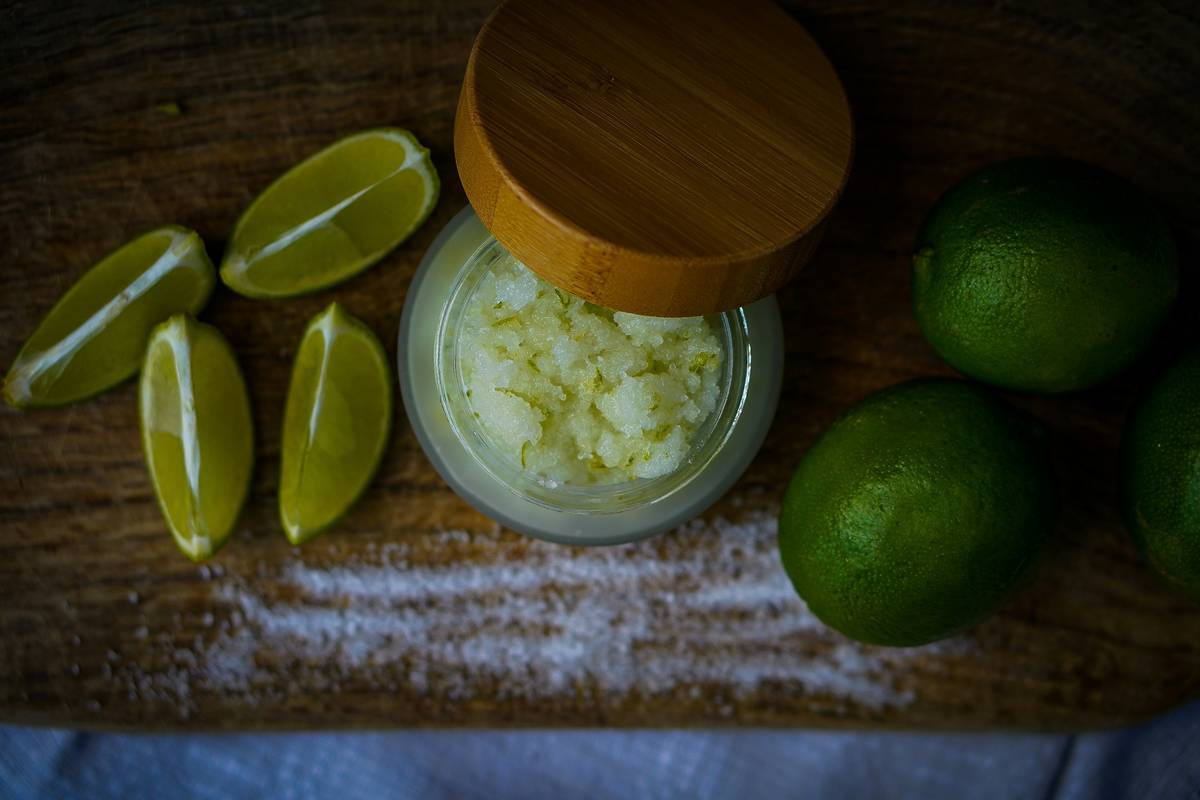
Start with a 2:1 ratio of exfoliant to carrier oil. For sensitive skin, use finely ground oats or brown sugar. For tougher areas (elbows, feet), white sugar works well. Choose non-comedogenic oils like jojoba, sweet almond, or fractionated coconut oil—they won’t clog pores. Avoid mineral oil; it’s derived from petroleum and offers no nutritional benefit to skin (NIH study).
Mix and Customize
In a clean bowl, combine 1 cup of your chosen exfoliant with ½ cup oil. Add 5–10 drops of skin-safe essential oil (like lavender or chamomile) if desired—but skip citrus if you’ll be outdoors soon. Stir until evenly coated. Transfer to a sterilized glass jar with a tight lid.
Test and Use Safely
Apply a dime-sized amount to a small patch of skin (inner forearm) and wait 24 hours. If no redness appears, use 1–2 times weekly in the shower: massage gently in circular motions, rinse thoroughly, and follow with moisturizer.
Top Tips for Safe and Effective Scrubs
- Never use on broken or sunburned skin—exfoliation worsens inflammation.
- Store in the fridge to extend shelf life up to 14 days; discard if smell or texture changes.
- Don’t over-scrub—more than twice weekly can damage your skin barrier, leading to dryness and sensitivity.
- Avoid “kitchen sink” recipes that mix honey, lemon, yogurt, and coffee all at once. Simpler formulas reduce allergy risk and are easier to troubleshoot.
And here’s my terrible tip disclaimer: Don’t believe viral TikTok hacks that tell you to use baking soda as a face or body scrub. It disrupts your skin’s pH balance and causes long-term irritation—dermatologists consistently warn against it (American Academy of Dermatology).
Real Results from Homemade Body Polishing
Last winter, I made a batch using brown sugar, jojoba oil, and vanilla extract for dry patches on my knees. After three uses over two weeks, flakiness vanished and texture smoothed noticeably—no redness, unlike a store-bought scrub I’d tried that left me itching for hours. A small 2022 consumer survey by the Organic Trade Association found that 78% of users reported better skin tolerance with homemade organic scrubs versus commercial alternatives, citing fewer allergic reactions and improved moisture retention. While individual results vary, controlling ingredient quality makes a measurable difference.
FAQs About Natural Body Scrubs Homemade
How long do homemade body scrubs last?
Stored in an airtight container in the refrigerator, most natural body scrubs homemade last 10–14 days. Discard immediately if you notice mold, separation, or an off odor.
Can I use table salt instead of sugar?
Table salt has sharp, jagged crystals that can create micro-tears in skin, especially on softer areas. It’s better suited for foot scrubs. For full-body use, opt for gentler exfoliants like sugar or ground rice.
Are homemade scrubs safe during pregnancy?
Generally yes—but avoid essential oils like rosemary, clary sage, or high-dose peppermint unless approved by your healthcare provider. Stick to simple oil-and-sugar blends for peace of mind. Always consult our Privacy Policy if sharing health details via our contact form.
Do I need to moisturize after using a scrub?
Absolutely. Exfoliation removes dead cells but also strips natural oils. Replenish moisture within 3 minutes post-shower to seal in hydration and support barrier repair.
Where can I learn more about Lillip Pierce’s philosophy?
We’re passionate about transparent, effective skincare. Read our full story on the About Us page to understand our commitment to organic integrity.
Making your own natural body scrubs homemade is powerful self-care—not just a trend. When done right, it saves money, avoids toxins, and gives you radiant skin without compromise. Ready to craft your perfect blend? Share your recipe ideas or questions—we’d love to hear from you. Contact us anytime.
Smooth skin isn’t magic—it’s mindful mixing.