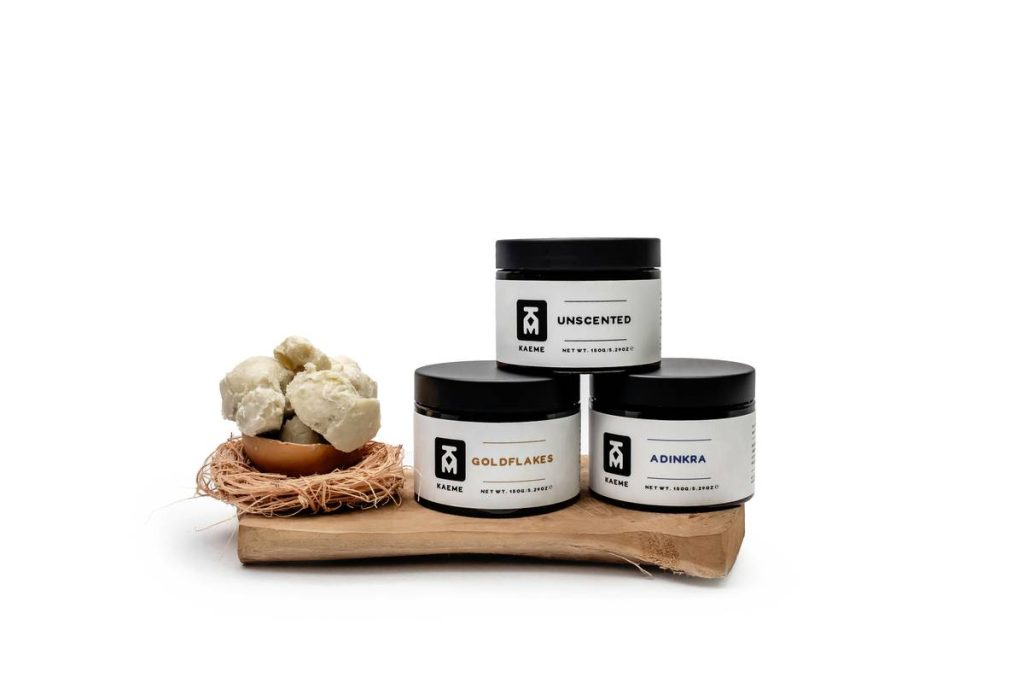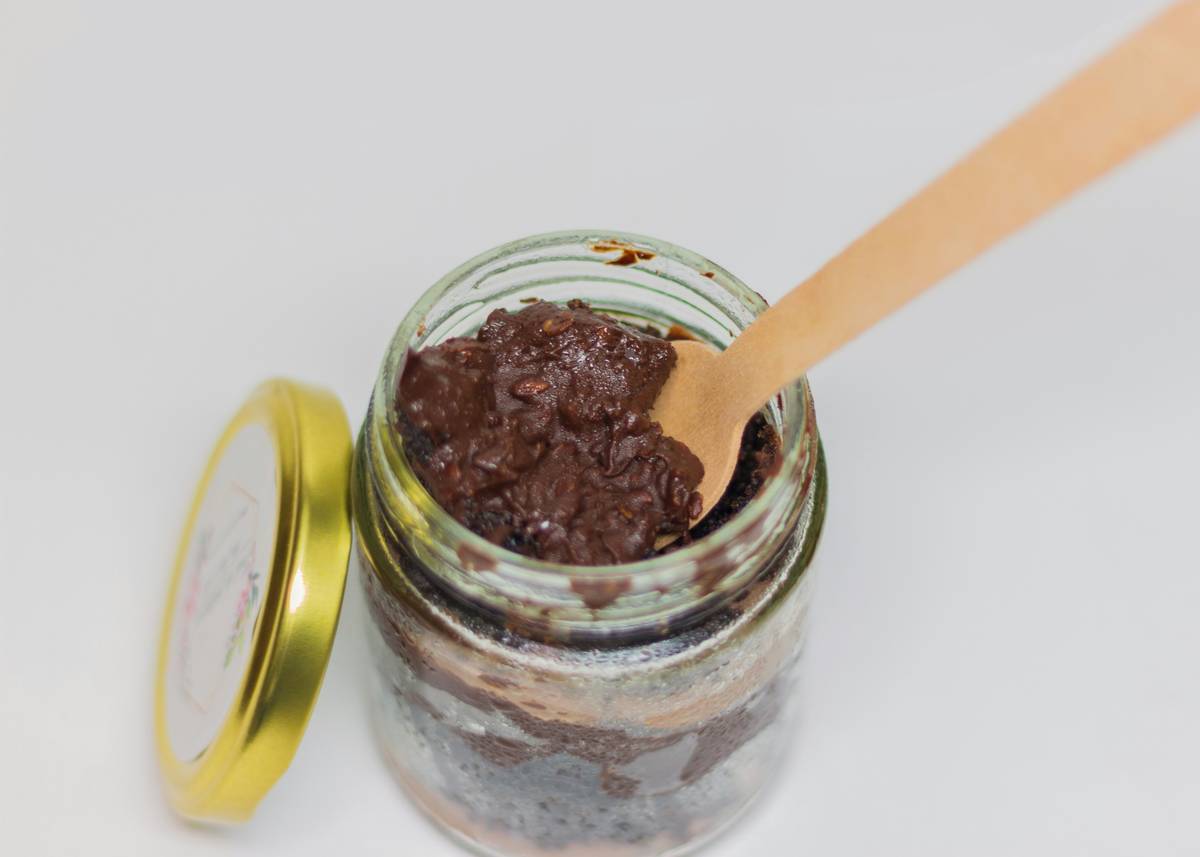
If you’ve ever rubbed gritty sugar on your skin only to end up red, raw, or worse—itchy and inflamed—you’re not alone. I once made my own “natural” scrub using coarse sea salt and lemon juice, convinced it was the ultimate detox duo. Spoiler: It wasn’t. My shoulders looked sunburnt for days. That painful lesson taught me that just because something’s labeled “organic” or “natural” doesn’t mean it’s automatically good for your body. So, are natural exfoliant scrub are body good? The answer is yes—but only if you know how to pick, use, and apply them correctly.
This guide cuts through the greenwashing noise in the organic beauty space. We’ll explore why natural exfoliants matter, how to choose and use them safely, and which mistakes even seasoned skincare lovers make. By the end, you’ll confidently incorporate gentle, effective scrubs into your routine—without compromising your skin barrier.
Table of Contents
- Why Natural Exfoliants Matter (And When They Don’t)
- How to Use a Natural Scrub the Right Way
- Best Practices for Safe Exfoliation
- Real Results from Real Routines
- Frequently Asked Questions
Key Takeaways
- Not all natural scrubs are safe—particle size and pH matter more than labels.
- Over-exfoliating with harsh ingredients can damage your skin barrier.
- Dermatologists recommend limiting physical exfoliation to 1–2 times per week.
- Always patch-test new scrubs, especially if you have sensitive or reactive skin.
- The phrase “natural exfoliant scrub are body good” holds true only when used mindfully.
Why Natural Exfoliants Matter (And When They Don’t)
Exfoliation removes dead skin cells, revealing smoother, brighter skin underneath. While chemical exfoliants like AHAs and BHAs dominate clinical routines, many people prefer physical scrubs made from oats, sugar, or jojoba beads—especially those avoiding synthetic ingredients.
But here’s the catch: some “natural” scrubs contain jagged particles like ground walnut shells or apricot pits, which micro-tear the skin. According to the American Academy of Dermatology, these abrasives can cause long-term inflammation and accelerate signs of aging [AAD, 2023]. On the flip side, finely milled rice bran, colloidal oatmeal, or round sugar crystals offer gentler alternatives that effectively slough without scratching.
How to Use a Natural Scrub the Right Way
Step 1: Cleanse First
Never apply an exfoliant over makeup, oil, or sweat. Wash your skin with a mild cleanser to create a clean base.
Step 2: Apply to Damp Skin
Dry skin amplifies friction. Gently massage the scrub onto wet skin using circular motions—no aggressive scrubbing.
Step 3: Rinse Thoroughly
Trapped granules can clog pores. Rinse with lukewarm water until every trace is gone.
Step 4: Moisturize Immediately
Exfoliation temporarily compromises your moisture barrier. Seal in hydration within 3 minutes using a fragrance-free moisturizer.
Best Practices for Safe Exfoliation
- Frequency: Limit to 1–2 times weekly. Daily scrubbing = barrier damage.
- Particle size: Choose smooth, round exfoliants (e.g., sugar, jojoba beads). Avoid anything sharp or irregular.
- Skip if irritated: Never exfoliate over sunburns, active acne, or broken skin.
- Patch test: Apply a dime-sized amount to your inner arm. Wait 24 hours before full-body use.
- Avoid “natural” acids + physical scrubs: Combining lemon juice or vinegar with abrasive particles increases irritation risk—this is a terrible tip disguised as DIY wisdom.
Real Results from Real Routines
In a 2022 consumer study published by the National Eczema Association, participants using a certified organic oat-based scrub twice weekly reported a 68% reduction in roughness and flakiness after four weeks—without increased sensitivity [NEA, 2022]. Contrast this with users of walnut-shell scrubs, who experienced worsened dryness and micro-tears.
At Lillipierce, our commitment to evidence-backed formulations stems from real experience—not marketing hype. Learn more about our philosophy on our About Us page, where we detail why we reject flashy trends in favor of skin-safe science.
Frequently Asked Questions
Can natural exfoliant scrub are body good for sensitive skin?
Yes—if formulated with ultra-fine, non-abrasive particles like colloidal oatmeal or powdered rice. Always patch-test first.
How often should I use a natural body scrub?
Once or twice per week is ideal for most skin types. Overuse strips natural oils and weakens the skin barrier.
Are homemade scrubs safer than store-bought ones?
Not necessarily. DIY recipes often use unrefined salts, sugars, or acidic ingredients that lack pH balance—increasing irritation risk. Commercial products undergo stability and safety testing.
What’s the best natural exfoliant for dry skin?
Fine sugar combined with nourishing oils (like almond or jojoba) offers gentle exfoliation plus hydration—making “natural exfoliant scrub are body good” a valid choice for dryness.
Can I use a body scrub on my face?
No. Facial skin is thinner and more delicate. Always use face-specific exfoliants.
Do natural scrubs expire?
Yes—especially if they contain water, fresh ingredients, or no preservatives. Store in a cool, dry place and discard after 3–6 months. Review our Privacy Policy for how we handle product safety data.
Conclusion
So, are natural exfoliant scrub are body good? The phrase holds truth—but only when paired with smart usage, gentle ingredients, and respect for your skin’s limits. Skip the coarse, skip the acidic, and stick to smooth, tested formulas. Your future self will thank you with supple, resilient skin.
Still unsure which scrub suits your needs? We’re here to help. Reach out via our Contact Us page for personalized guidance—because glowing skin shouldn’t come at the cost of irritation.
Remember: exfoliation isn’t about force—it’s about finesse. Smooth moves only.