Most DIY body scrubs sit untouched in your bathroom cabinet after one use. Grainy, oily messes that clog drains or irritate skin. You followed a “natural” recipe from Pinterest—but it left your skin tight, red, or worse, unchanged. Here’s the truth: most tutorials skip the science behind exfoliation. The fix? Precision over Pinterest trends. This guide shows you how to make body scrubs that polish, nourish, and deliver real results—on the first try.
Why Most Homemade Scrubs Fail (And Waste Your Money)
Granulated sugar isn’t always gentle. Sea salt can be brutal on dry patches. And carrier oils? Many turn rancid within days if not stabilized properly. But here’s what no one tells you: texture matters more than “organic” labels.
Commercial scrubs use precisely calibrated particle sizes—too coarse and you micro-tear skin; too fine and you’re just massaging oil onto dead cells. DIY versions often mimic aesthetics, not function. Think about it: rubbing unrefined coffee grounds on eczema-prone skin isn’t self-care—it’s sabotage.
How to Make Body Scrubs: A No-Fluff Blueprint
Forget vague ratios like “a handful of this.” We’re using weight-based measurements for repeatability. Below is the only framework you need—scalable, stable, and skin-smart.
| Scrub Type | Best For | Base Ratio (Exfoliant : Oil) | Shelf Life | Cost Per Batch (8 oz) |
|---|---|---|---|---|
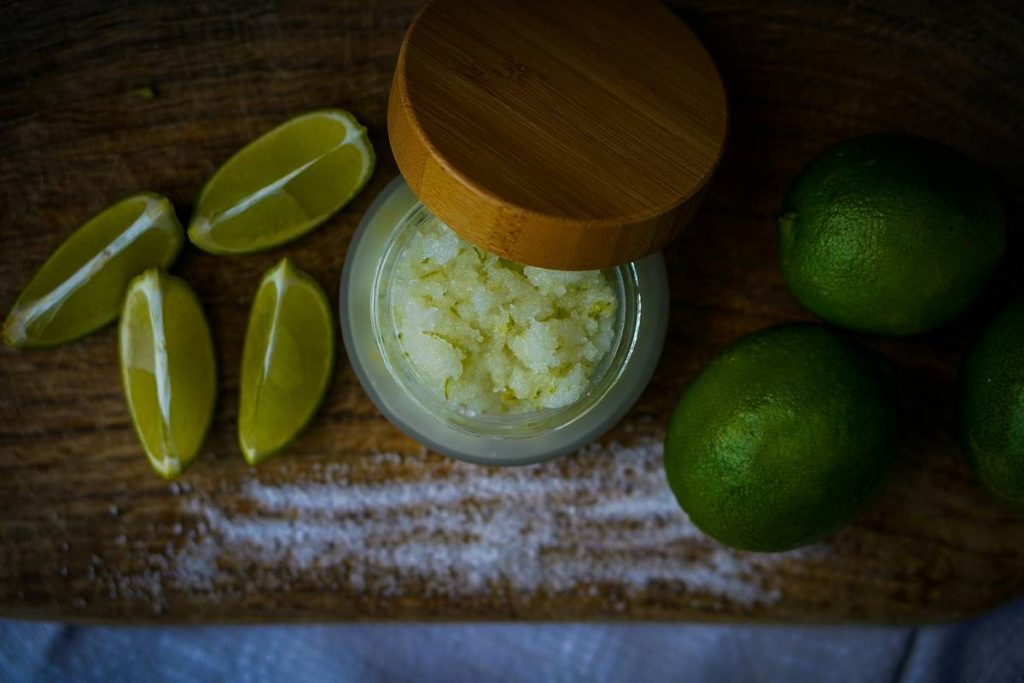
| Fine Sugar + Jojoba | Sensitive or facial-adjacent zones (décolletage, arms) | 2:1 by weight | 6–8 weeks | $3.20 |
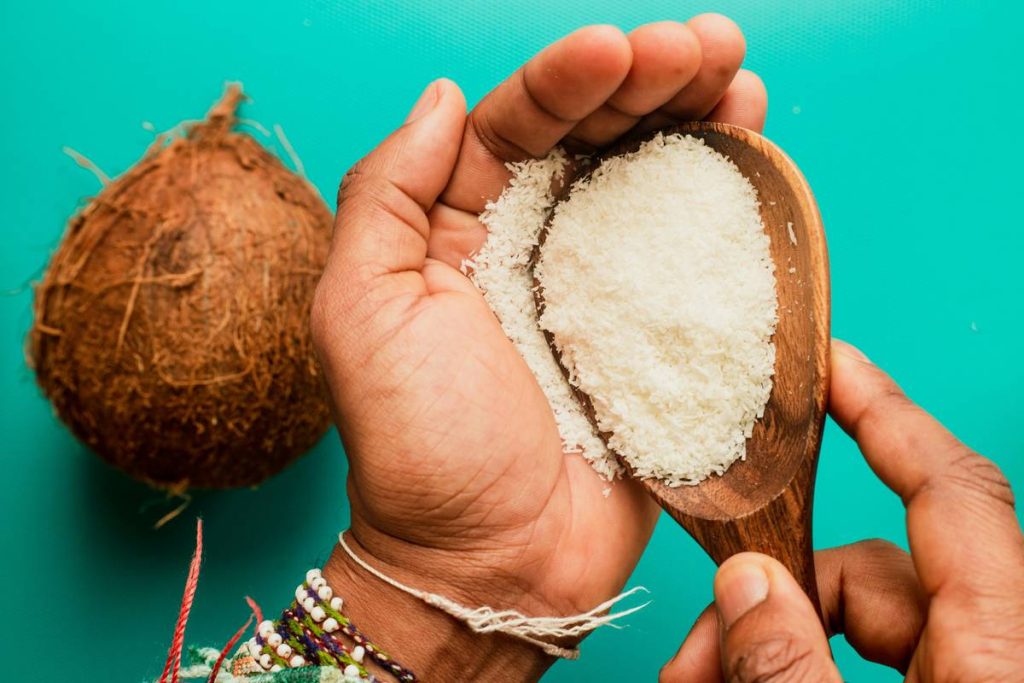
| Medium Sea Salt + Fractionated Coconut | Rough elbows, feet, back | 3:1 by weight | 4–6 weeks | $2.75 |
| Ground Oat + Almond Oil | Eczema-prone or post-sun skin | 1.5:1 by weight | 3–4 weeks | $4.10 |
Select Your Exfoliant Strategically
Not all “natural” particles behave alike. Sugar dissolves slightly in water, offering enzymatic action. Salt draws out impurities but dehydrates if overused. Oats contain saponins—natural cleansers that foam lightly. Match your choice to your skin’s current state, not just your pantry inventory.
Oils Aren’t Interchangeable
Use fractionated coconut oil—not virgin—for salt scrubs; it won’t solidify in cool temps. Jojoba mimics sebum, so it absorbs without greasiness. Avoid olive oil in scrubs—it oxidizes fast and smells stale within days. And never use essential oils undiluted; 6 drops max per 8 oz batch.
Mix Like a Chemist—Not a Baker
Weigh ingredients using a kitchen scale. Volume measures (cups, spoons) vary wildly with humidity and packing density. Combine exfoliant and oil in a glass jar. Seal, shake vigorously for 30 seconds, then let rest 10 minutes before final stir. This prevents separation during use.
The Industry Secret: Stabilize With Vitamin E—Not Honey
Here’s the reality: honey looks luxurious in photos but adds zero preservation value. In fact, its moisture content invites mold in humid bathrooms. The pro trick? Add 1/4 tsp of **natural-source vitamin E oil** per 8 oz batch. It’s lipid-soluble, boosts antioxidant activity, and extends shelf life without altering texture. Most brands hide this—they’d rather sell you preservative-laced “natural” tubs at $28 a pop.
And don’t bother with lemon juice. Its pH destabilizes formulations and increases photosensitivity. Skip the Instagram bait. Focus on stability.
FAQ: Real Questions From Real Users
Can I use brown sugar instead of white sugar in body scrubs?
Yes—but only if your skin isn’t acne-prone. Brown sugar contains molasses, which adds slight stickiness and glycolic acid. Great for mature skin, risky for folliculitis zones.
How often should I use a homemade body scrub?
Twice weekly max. Over-exfoliation strips barrier lipids. If your skin feels “squeaky clean,” you’ve damaged it—not polished it.
Why did my scrub separate after two days?
Oil and exfoliant naturally settle. Always stir before use. If it leaks oil constantly, your ratio was off—add 1 tsp more exfoliant next time.